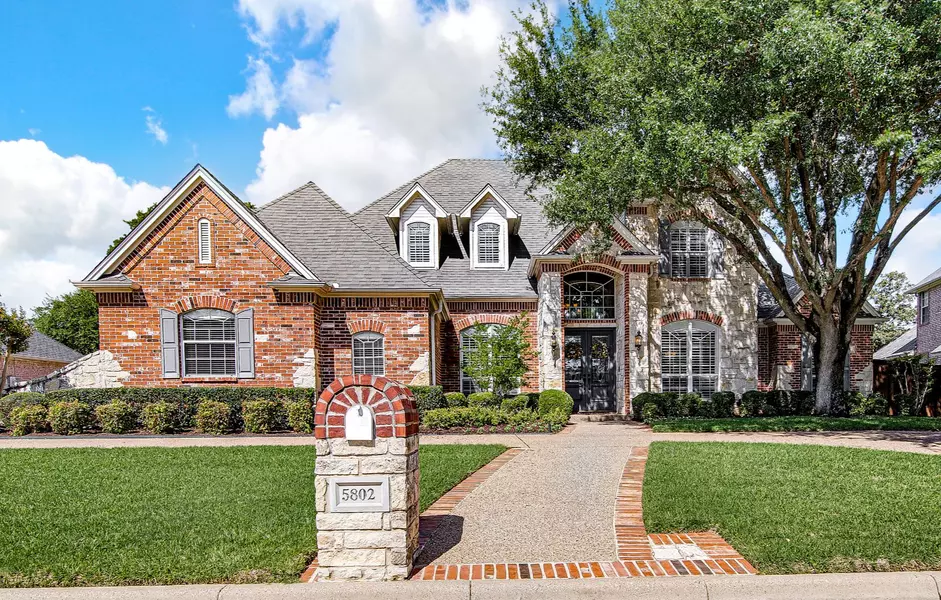
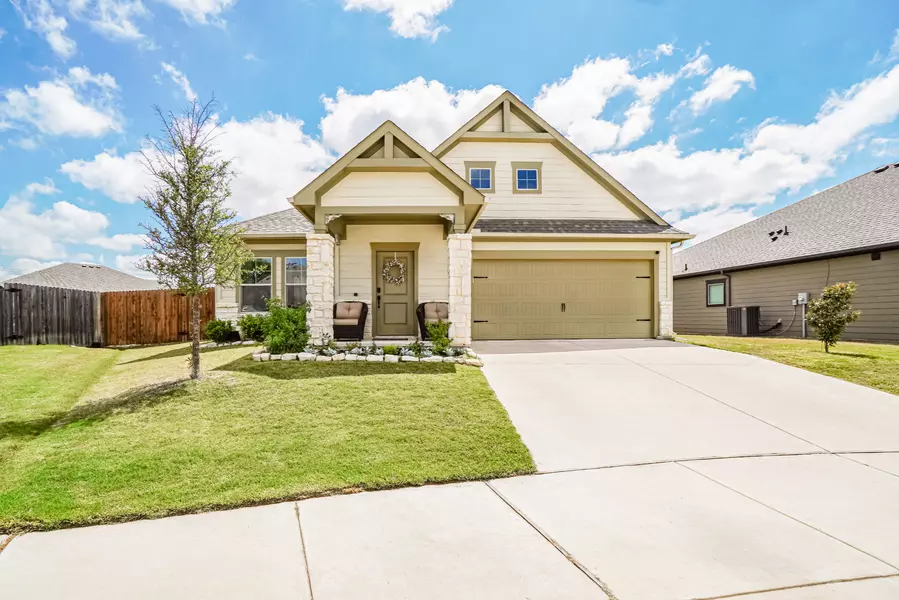
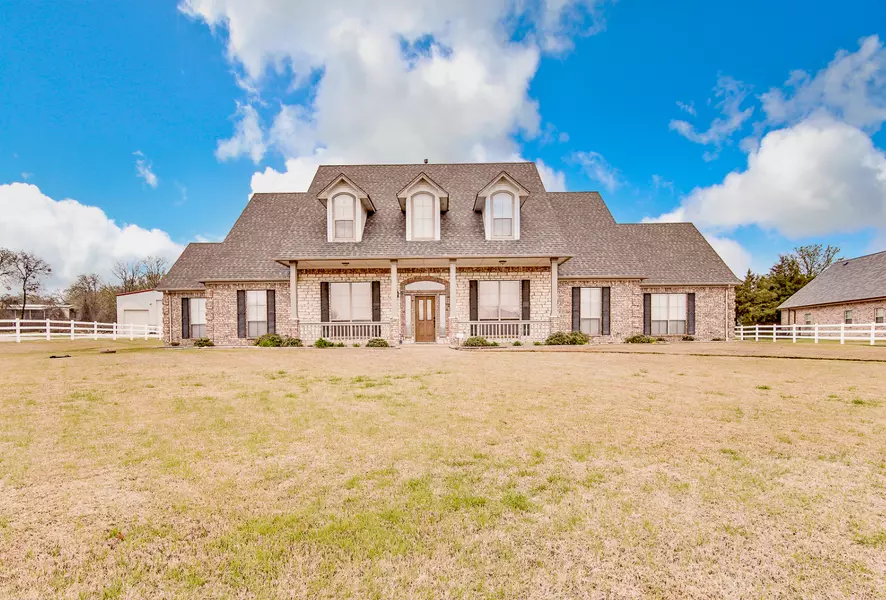
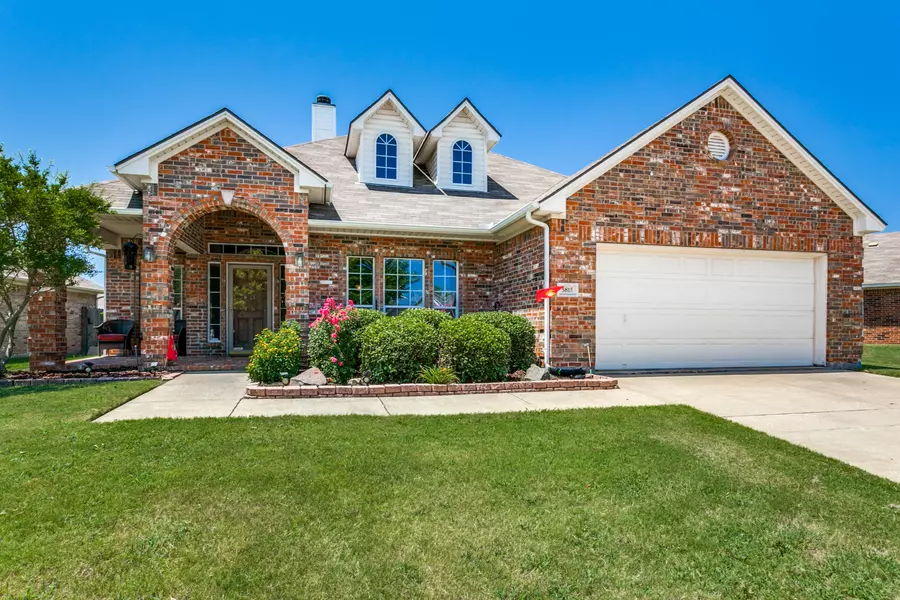
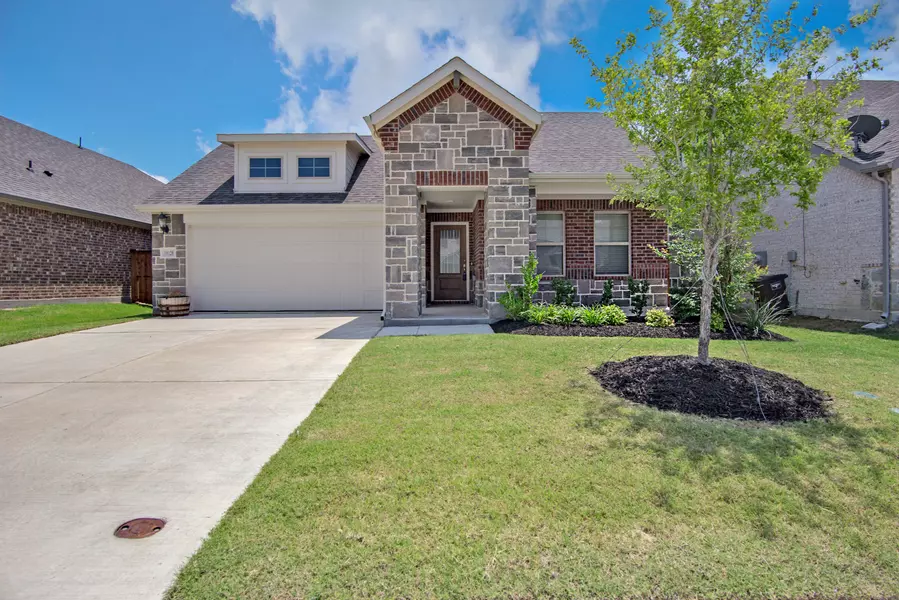
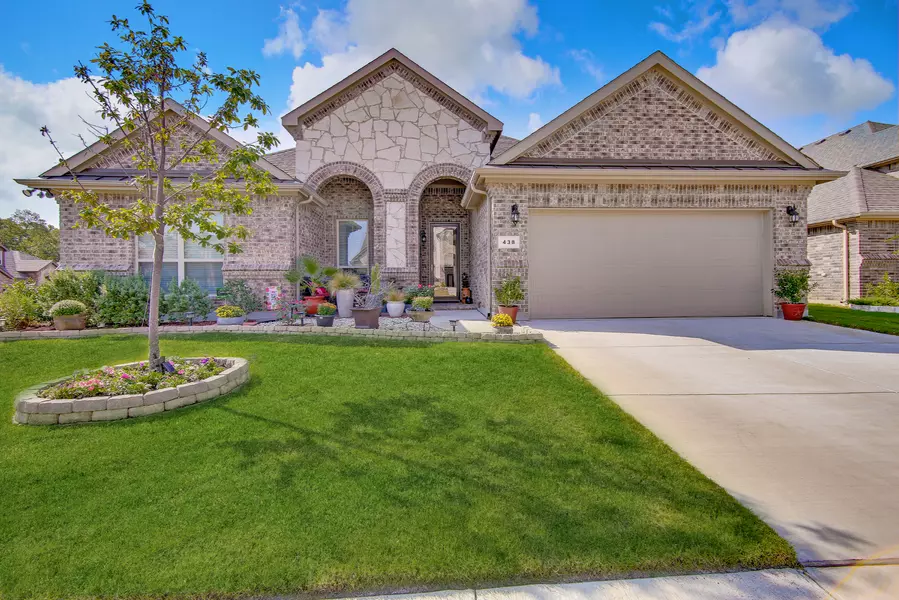
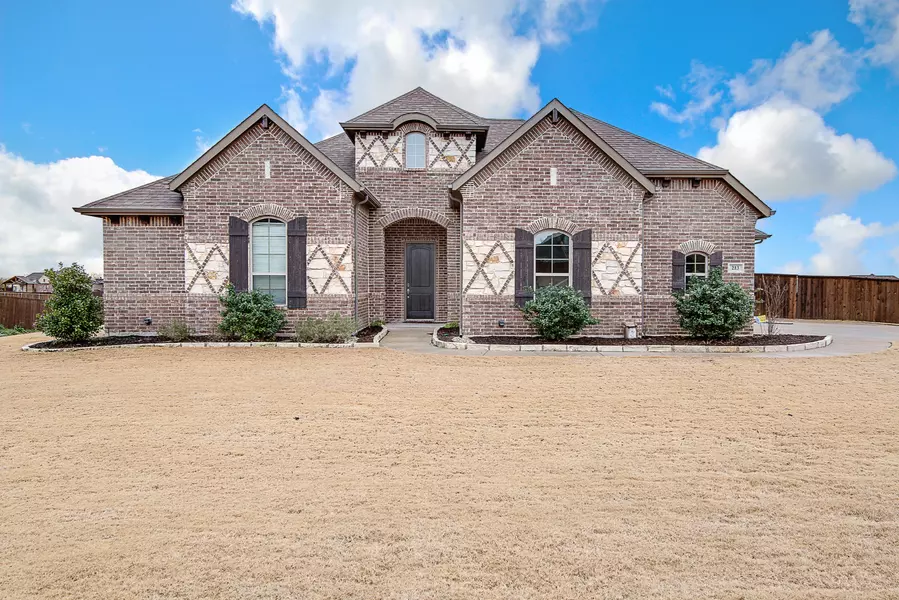
Resale vs. Builder Upgrade: Should You Trade Your Starter Home for New Construction?

Resale vs. Builder Upgrade: Should You Trade Your Starter Home for New Construction?
There comes a point when the house you were SO excited to buy starts feeling a little…small.
Maybe that three-bedroom starter home was perfect when you bought it.
Then came another child. Or working from home. Or you realized that sharing one living space with everyone all the time isn't nearly as charming as it sounded when you bought the house.
Suddenly you're dreaming about another bedroom, a bigger kitchen, a home office, a game room, more storage and maybe a backyard where everyone isn't on top of each other.
If you're a homeowner in Mansfield, Arlington, Grand Prairie, Burleson or anywhere around South DFW, you may be asking:
Should we sell our starter home and buy a larger resale home?
Or is this the time to finally buy new construction?
I've helped enough families make this move to tell you that there isn't one answer that's right for everyone.
But there are some things I would absolutely compare before making the decision.
First, Why Are You Moving?
Before we talk about granite countertops, builder incentives or interest rates, I want to know why your current house isn't working anymore.
Is it actually too small?
Do you need another bedroom?
Do you need an office?
Is the layout the problem rather than the square footage?
Are you trying to get into a different area?
Do you want a larger yard?
Or have you toured a beautiful model home recently and suddenly your perfectly good house doesn't look quite as exciting anymore?
I'm only half joking about that last one.
Model homes are designed to make you want to move.
But upgrading your home is a big financial decision. So before we start shopping, I want to separate the things you NEED from the things that would simply be nice to have.
Sometimes moving is absolutely the right answer.
Sometimes changing how you're using your current home can buy you another couple of years.
What Does Your Starter Home Give You To Work With?
This is the part homeowners sometimes skip.
Before figuring out what you can buy next, let's figure out what you already have.
How much is your current home realistically worth?
How much do you still owe?
How much equity could you potentially walk away with after selling expenses?
And perhaps most importantly right now:
What interest rate do you have on your existing mortgage?
If you bought or refinanced when mortgage rates were considerably lower, giving up that rate matters.
It doesn't mean you're trapped in your starter home forever.
It just means the next house needs to make enough sense to justify the financial change.
That's why I don't like looking at an upgrade as simply:
“We can sell this house for $350,000 and buy that one for $500,000.”
There's much more to the calculation.
We need to look at your equity, new mortgage amount, interest rate, taxes, insurance, HOA, possible special taxing districts and your total monthly payment.
That's when you find out what the upgrade actually costs.
The DFW Market Is Giving Move-Up Buyers More Choices
This is where 2026 gets interesting.
Buyers have choices on both sides of the market.
You can look at established resale neighborhoods throughout Arlington, Grand Prairie, Mansfield and Burleson.
Or you can move farther into some of the growing new-construction corridors around Mansfield, Midlothian, Burleson, Waxahachie and other communities south of DFW.
And builders are competing hard for buyers.
We're seeing incentives advertised throughout the DFW new-construction market, including mortgage-rate buydowns, closing-cost assistance, upgrade packages and price reductions on certain inventory homes.
That's important because the best deal isn't necessarily the house with the lowest list price.
A builder may have a higher-priced home but offer financing incentives that significantly change the monthly payment.
A resale seller may be willing to negotiate the sales price or contribute toward closing costs.
You have to compare the entire deal.
Where Resale Homes Can Win
I love new construction, but there are some things established resale homes can give you that a new neighborhood sometimes can't.
Location is a big one.
If you love central Arlington, established Mansfield or certain parts of Grand Prairie, there may simply not be much new construction available exactly where you want to live.
Resale neighborhoods may also give you:
Mature trees.
Established landscaping.
Larger lots.
Finished patios and outdoor spaces.
Window coverings already installed.
Fences already built.
Storage sheds.
Upgraded fixtures.
And all those little things homeowners slowly add over five, ten or fifteen years.
Those things have value.
I've walked through plenty of resale homes where the previous owners have already spent thousands of dollars doing things the next owner would otherwise have to pay for.
And don't underestimate established neighborhoods.
You can drive through them and see exactly what you're buying into.
Where New Construction Can Win
Now let's talk about why moving from a starter home into new construction can be really appealing.
You're getting something designed around how people live today.
Open kitchens.
Large islands.
Walk-in pantries.
Dedicated offices.
Game rooms.
More storage.
Larger primary closets.
More energy-efficient systems.
And floor plans that often give growing families better separation between bedrooms and living spaces.
If the reason you're leaving your starter home is because the FLOOR PLAN doesn't work anymore, this can be a big deal.
We've talked about this on South of Cowtown because sometimes people think they need a dramatically bigger house when what they really need is a better-designed house.
Going from 1,800 square feet to 2,500 square feet can feel enormous if those extra 700 square feet are in the places your family actually needs them.
Then There Are the Builder Incentives
This is probably the biggest reason I would tell any move-up buyer to at least compare new construction right now.
Builders in DFW are competing for buyers.
Depending on the builder, community, inventory and timing, that can mean incentives toward financing, closing costs, upgrades or the purchase price.
Quick-move-in homes can be especially interesting because the builder has already spent the money to build the house.
But please remember:
An incentive isn't automatically a good deal.
If a builder offers you a lower mortgage rate, find out whether it's temporary or permanent.
If they're giving you closing-cost money, ask whether you have to use their preferred lender.
If you're getting an upgrade package, figure out what those upgrades would actually be worth to YOU.
Don't buy a $500,000 house because someone told you they're “giving” you $25,000.
Let's compare the actual numbers.
Don't Forget the Costs That Come AFTER You Buy New
This is the part of new construction that isn't nearly as fun as walking through the model home.
A brand-new house is still an empty house.
You may need:
Blinds.
Curtains.
A refrigerator.
Washer and dryer.
Furniture for additional rooms.
Landscaping.
Garage storage.
Ceiling fans.
Outdoor living improvements.
And sometimes fencing or other items depending on what the builder includes.
Those expenses can add up quickly.
Property taxes are another big conversation we have with new-construction buyers.
Make sure your projected payment accounts for the completed home—not simply an early tax estimate based on an undeveloped lot or partially completed property.
I don't want your house payment to look fantastic at closing and then become uncomfortable later.
And Don't Assume Resale Means “No Incentives”
This is important in the current DFW market.
Builders aren't the only sellers who want to make a deal.
Resale homes are taking around 46 days to sell in Burleson and Grand Prairie, 49 days in Mansfield and 50 days in Arlington based on September 2026 market data.
That means there may be opportunities to negotiate with individual sellers too.
Maybe that's price.
Maybe it's closing costs.
Maybe it's repairs.
Maybe it's a rate buydown.
Every property and seller is different, but I don't want buyers assuming the sticker price is automatically the final deal.
The Question I Would Ask: What Does the Upgrade Cost PER MONTH?
This is where I think people make the decision much more complicated than it needs to be.
Let's say you sell your starter home and use your equity toward the next house.
Now compare two options.
OPTION A: Larger resale home.
OPTION B: New construction with a builder incentive.
Don't just compare sales prices.
Compare your estimated cash needed at closing and your realistic monthly payment.
Then add:
Property taxes.
Homeowners insurance.
HOA.
Any PID or special district assessments that apply.
Expected maintenance.
And any immediate improvements or purchases the house needs.
Now we have a real comparison.
Sometimes the new home wins.
Sometimes the resale home wins.
And occasionally we run those numbers and discover something else:
Staying in the starter home for another year or two wins.
That's okay too.
Don't Upgrade Just Because You CAN
This is something I feel strongly about.
If you've built equity in your first house, that's a great thing.
You don't have to immediately spend all of it on the next one.
I don't want my clients house-poor just because the lender approved a bigger number.
If moving into that beautiful new house means you can't travel, save, eat out, put money away for emergencies or do the things your family enjoys, then we need to rethink the budget.
Your next home should improve your life.
It shouldn't become your entire life.
So, Should You Sell Your Starter Home and Buy New Construction?
Maybe.
If your current house no longer fits your family, you've built enough equity to make the move comfortably, and new construction gives you the floor plan, location and monthly payment you're looking for, this can be a really interesting time to explore it.
But I wouldn't skip resale.
There are great established homes throughout Mansfield, Arlington, Grand Prairie, Burleson and the communities south of Fort Worth.
The smartest approach is to compare both.
That's something John and I talk about frequently on our South of Cowtown YouTube channel. We tour new construction, resale homes and communities throughout this part of DFW because I want buyers to see what their money actually gets them—not just what looks best in an advertisement.
If you're sitting in your starter home right now wondering whether it's finally time for something bigger, let's start there.
First, let's figure out what your current home could sell for.
Then we'll estimate the equity you'd have available.
After that, we can compare resale homes and new construction and see what your next monthly payment could actually look like.
You don't need to decide today that you're moving.
You just need enough information to know whether moving makes sense.
And sometimes that's the difference between dreaming about the next house and actually having a plan to get there.
— Stephanie Deeds
The Deeds Group at Point Realty
South of Cowtown with The Deeds
Categories
- All Blogs 478
- Buying A Home 9
- Community Neighborhood Guides 2
- DFW Lifestyle 24
- Eat, Drink, & Shop Local 1
- First Time Home Buyer Tips 154
- Homeownership Tips & Tricks 8
- Living in Arlington, TX 10
- Living in Burleson 8
- Living in Dallas Fort Worth Metroplex 82
- Living In Texas 16
- Mansfield, TX 14
- Midlothian, TX 13
- Mortgage Rates, Financing, and Affordability 6
- New Construction & Developments in DFW 4
- Real Estate Investing 9
- Real Estate News 12
- Rentals, Property Management, & Leasing 9
- Selling Your House 151
- Texas Relocation Guide 34
Recent Posts








MY BLOGS
 Resale vs. Builder Upgrade: Should You Trade Your Starter Home for New Construction? There comes a point when the house you were SO excited to buy starts feeling a little…small. Maybe that three-bedroom starter home was perfect when you bought it. Then came another child. Or working from home. Or yo
- A First-Time Homebuyer’s Guide to Burleson, Texas If you're thinking about buying your first home in the Dallas–Fort Worth area, Burleson, Texas should absolutely be on your radar. I talk to first-time buyers all the time who start their search with Mansfield, Arlington or Fort Worth because those a
- Want a More Affordable Home in DFW? Don't Overlook Condos and Townhomes If you've been searching for your first home in Mansfield, Arlington, Burleson, Grand Prairie, or anywhere around Dallas–Fort Worth, I have a question for you. Have you been searching exclusively for single-family homes? You kno
- Best Lakes Within 2 Hours of DFW: Easy Weekend Getaways for North Texas One of the things I love about living in North Texas is that you don't have to travel very far to feel like you've gotten away. You can leave Mansfield, Texas on a Saturday morning, spend the day on the water, grab dinner somewh
MY BLOGS
- Resale vs. Builder Upgrade: Should You Trade Your Starter Home for New Construction?
- A First-Time Homebuyer’s Guide to Burleson, Texas
- Want a More Affordable Home in DFW? Don't Overlook Condos and Townhomes

MY BLOGS
Local News, Events & More Emailed Daily!